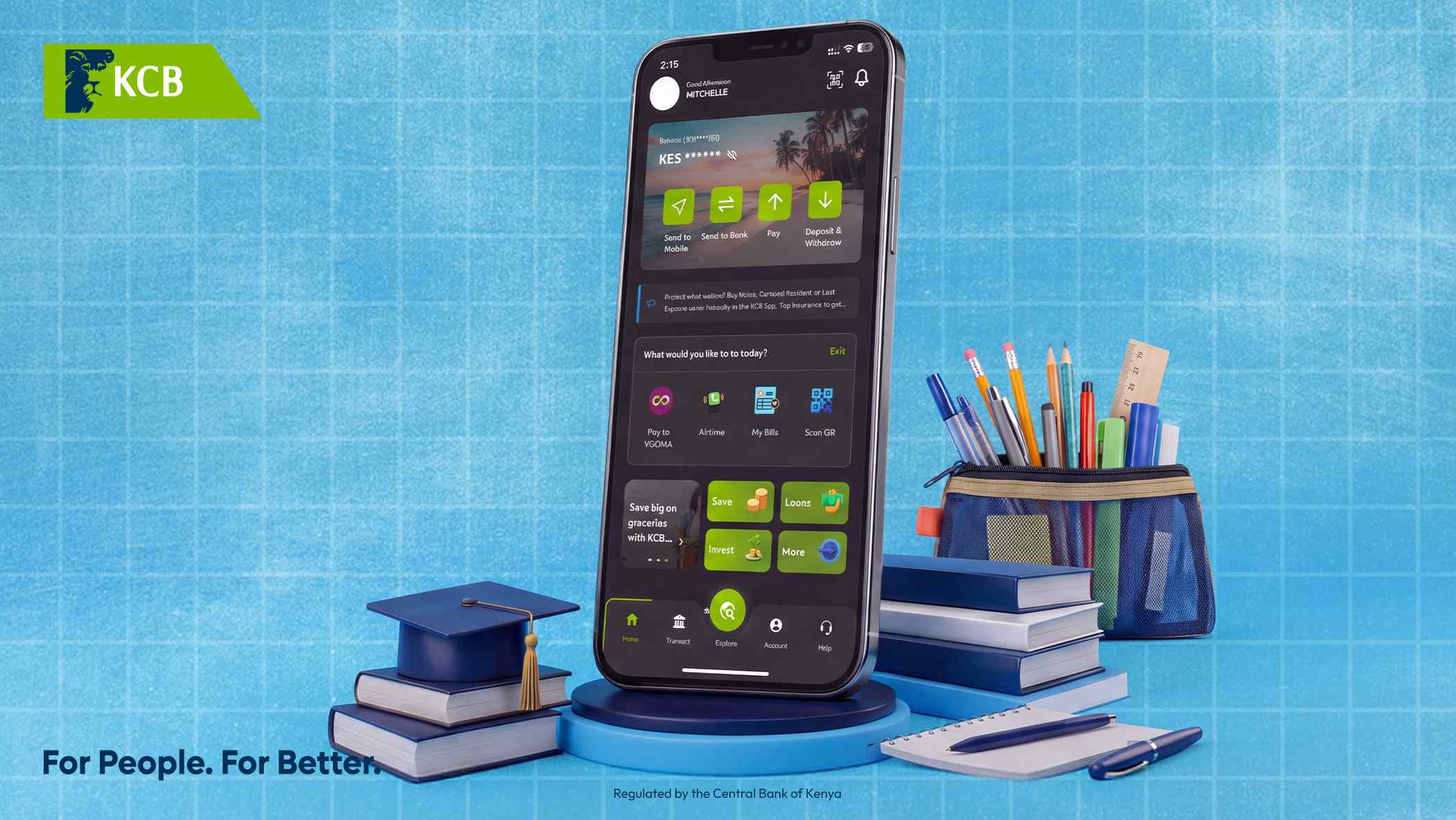
Campus is where a lot of young people manage their own money for the first time — HELB lands, fees go out, and somehow it's all gone by week two. The habits you build now save you real stress (and cash) for years afterward. This is a practical guide to banking for university students in Kenya: the accounts, tools and habits that actually help you stay in control.
1. Open a student-friendly account
Start with an account built for students — typically low or no monthly fees and no big minimum balance, so charges don't quietly eat your money. Compare what's on offer and pick the one with the fewest fees for how you'll actually use it.
2. Go mobile-first
You don't have time to queue between lectures. Banking from your phone — through the KCB App, KCB Internet Banking or *522# — lets you pay fees, buy airtime, send money and check balances from wherever you are. It's the single biggest convenience upgrade for campus life.
3. Keep fees money and spending money separate
When HELB or fees money lands, mentally (and ideally physically) separate what's for fees and essentials from what's for spending. Watching the two balances in your app stops the end-of-semester panic.
4. Budget the semester, not the week
The classic trap is spending like the money is monthly when it has to last a whole sem. Divide what you have across the weeks ahead — a simple structure like the 50/30/20 split helps. Our guide on how to create a personal budget in Kenya breaks it down.
5. Dodge unnecessary charges
Know your account's fees and use free channels where you can — for example, paying via a KCB Till is free. Avoid repeated small withdrawals that each cost you, and you'll keep more of your money for the things that matter.
6. Start a small savings habit
You don't need much. Even a small weekly amount into a savings goal builds a buffer for emergencies and teaches a habit that compounds long after graduation. Set it up once in the app and let it run.
7. Bank safely on campus
Students are a common target for scams. Never share your PIN or OTP with anyone, and be wary of “quick money” messages and fake offers. Our guide to online banking security in Kenya covers the habits that keep your account safe.
8. Build a record for your future
Banking responsibly now — keeping an account in good standing, saving consistently — starts a track record that helps when you need credit or bigger financial products after campus.
Frequently asked questions
What's the best bank account for a student?
A low-fee, low-minimum student account you can run from your phone. Compare the fees and features before choosing.
Do I need money to open a student account?
Requirements vary. Confirm any minimum opening or balance amounts with KCB.
Can I do all my banking from my phone?
Yes — the KCB App, KCB Internet Banking and *522# cover paying fees, buying airtime, sending money and checking balances.
How do I avoid bank charges as a student?
Use a low-fee account, stick to free channels where possible, and avoid lots of small separate withdrawals.
Is mobile banking safe for students?
Yes, as long as you never share your PIN or OTP and you only use the official app.
Get started
Sort your banking once and campus money gets a lot less stressful. Open a student-friendly KCB account and set up the app, so paying fees, saving a little and staying on top of your money all happen from your phone.